
VISUAL ACUITY
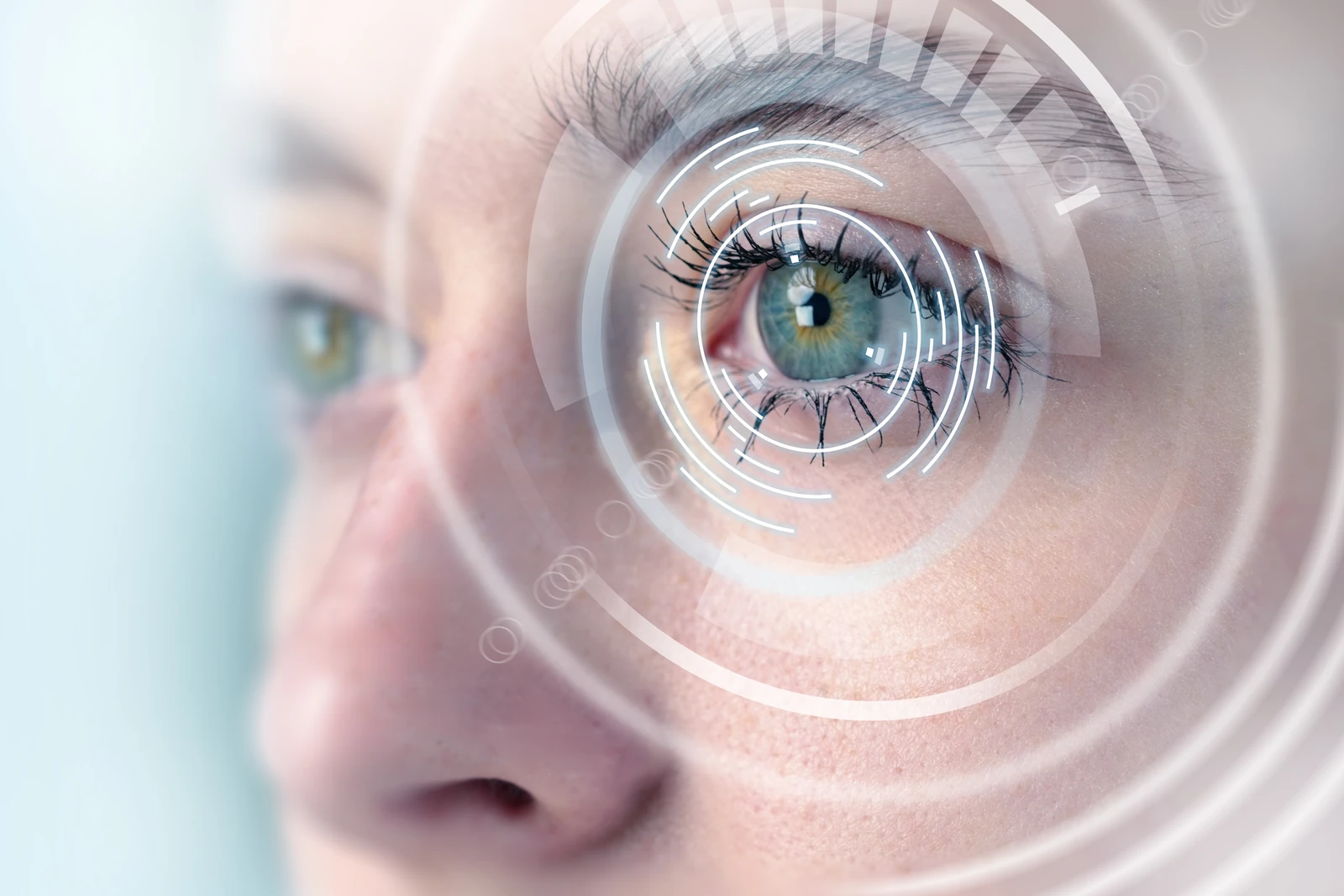
Visual acuity is a measure of how sharp your vision is. Certain optical defects can affect it.
Myopia
If you are nearsighted, it means your eye is "too long": light entering the eye focuses too far in front of the retina, resulting in blurred distance vision.
Hyperopia
If you are farsighted, it means your eye is "too short": light entering the eye focuses too far behind the retina, which can result in blurred vision up close and/or at a distance.
This creates an accommodative strain that can cause eye fatigue and headaches.
Astigmatism
If you have astigmatism, it means the shape of your cornea alters the way light enters the eye. This causes blurred vision at any distance, along a particular axis, and can cause eye fatigue as well as a stinging sensation.
Presbyopia
Presbyopia is a decrease in the elasticity of the lens. This reduces the eye's ability to adjust to different distances, particularly for near vision. The first symptoms can appear as early as age 40.
GLAUCOMA
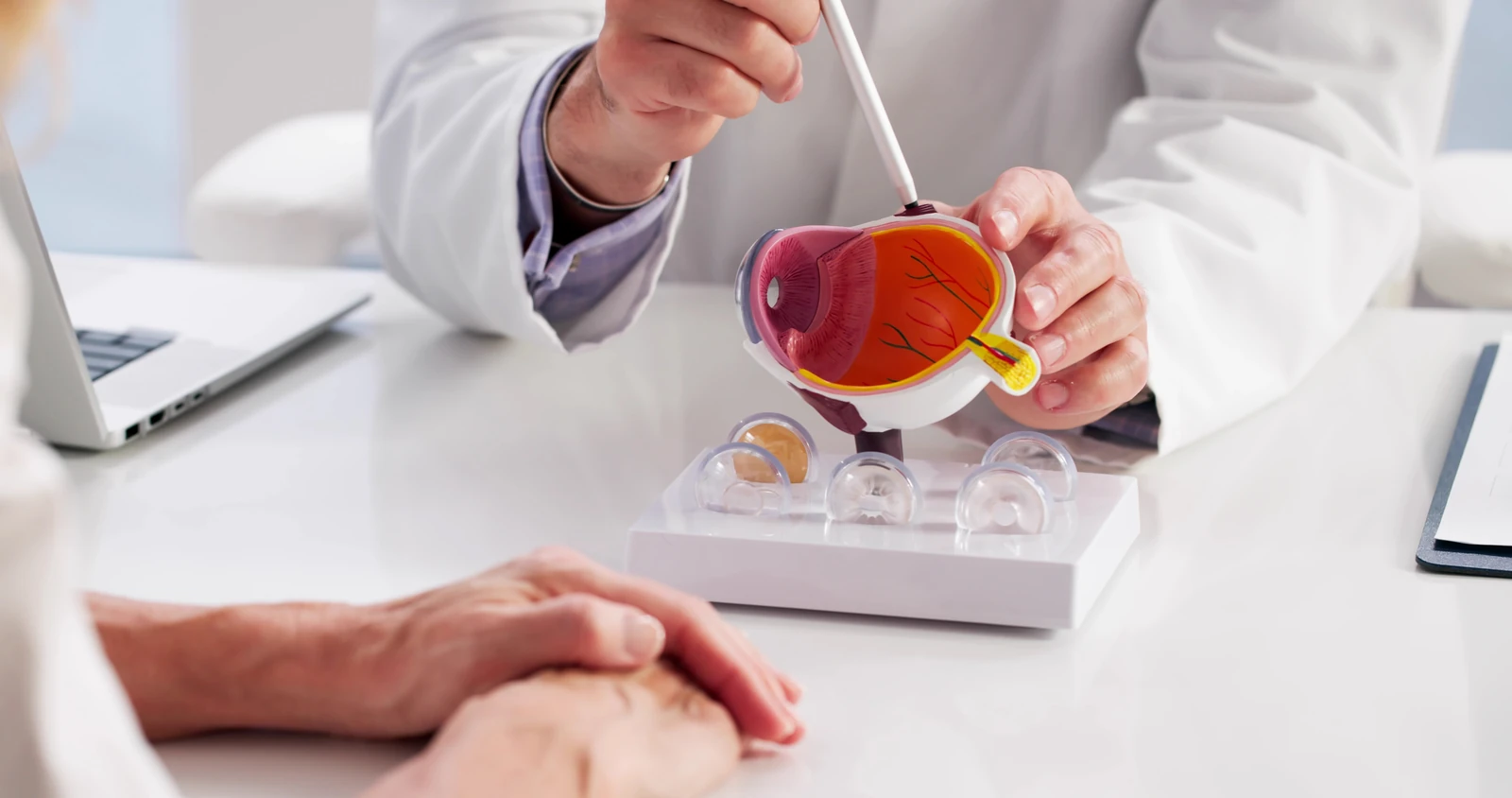
Most cases of glaucoma are caused by an overproduction of aqueous humour.
Aqueous humour is a fluid that regulates eye pressure and nourishes the cornea and lens.
An overproduction of this fluid causes excessively high pressure inside the eye. This can damage the optic nerve and, if left untreated, cause a progressive loss of visual field.
Some types of glaucoma can be hereditary.
An ophthalmological check-up is recommended every year from age 50 onwards.
AMD
AMD, or age-related macular degeneration, is a condition affecting the retina that can eventually lead to a loss of central vision. It occurs when certain cells in the macula (the central area of the retina) slow down, creating deposits on the retina called drusen.
There are two types of AMD: the dry form and the wet form.
The dry form progresses more slowly and, depending on the case, can be slowed down with dietary supplements (lutein, omega-3, ginkgo biloba, etc.) and preventive treatment with photobiomodulation.
The wet form progresses more rapidly and requires intraocular injections.
As it can be hereditary, regular check-ups from age 50 onwards allow for early management of this condition, for which prevention is key.

ORTHOPTICS
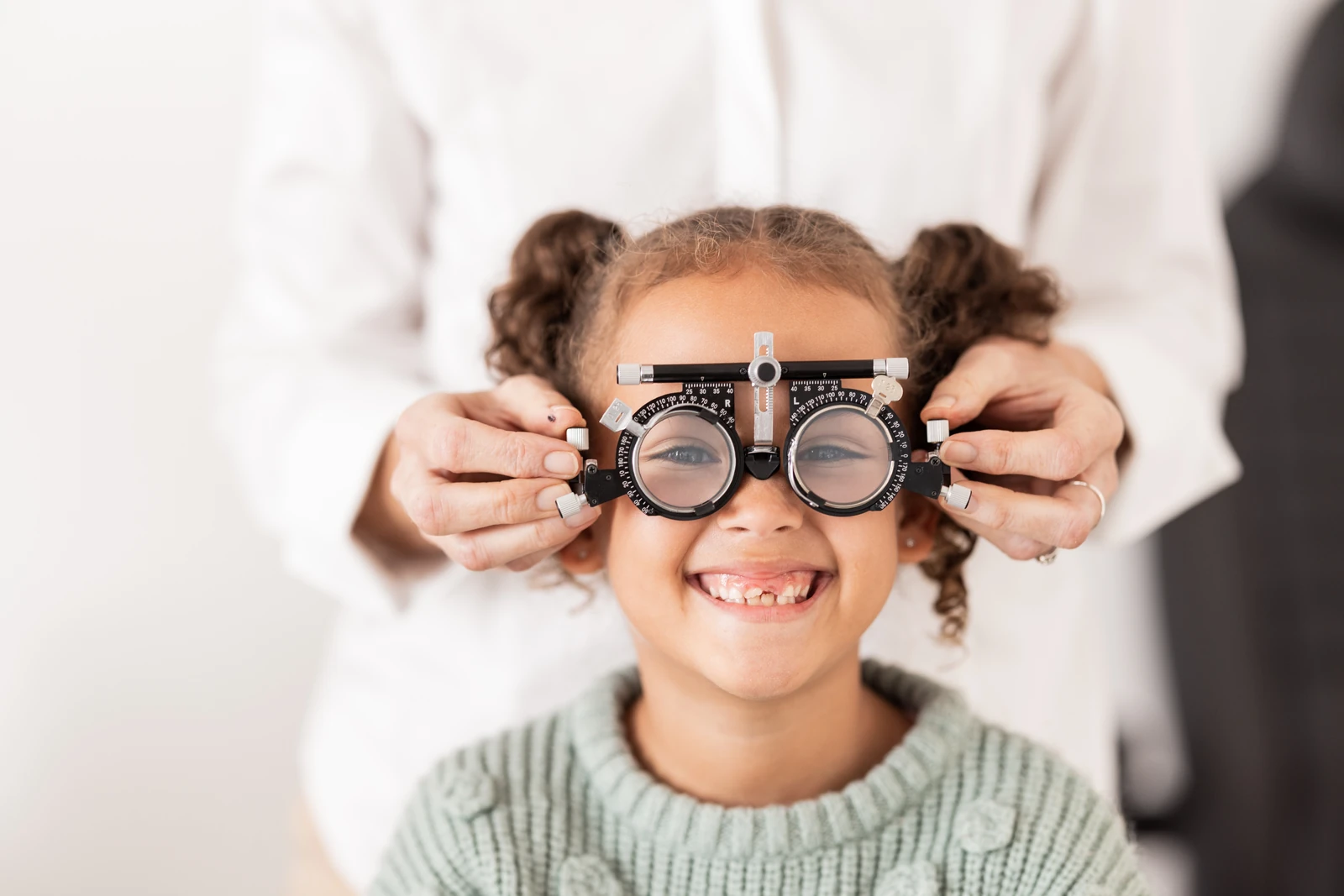
Orthoptics is a paramedical discipline aimed at detecting binocular vision disorders (the coordination between the two eyes), from very young patients to elderly patients.
The orthoptist usually carries out initial screening with children, but also manages cases of strabismus, amblyopia (reduced vision in one eye), diplopia (double vision), and contributes to the follow-up of patients with neurological conditions (stroke, trauma, etc.).
A patient experiencing eye fatigue and headaches may also be referred to the orthoptist for a full orthoptic assessment. Depending on the case, rehabilitation sessions for convergence insufficiency (a coordination problem between the eye muscles) may be carried out to relieve these symptoms.
The neurovisual rehabilitation is a specialised form of orthoptic care.
SURGICAL PROCEDURES
The multidisciplinary nature of our medical team allows us to offer a wide range of surgical care.
Cataract
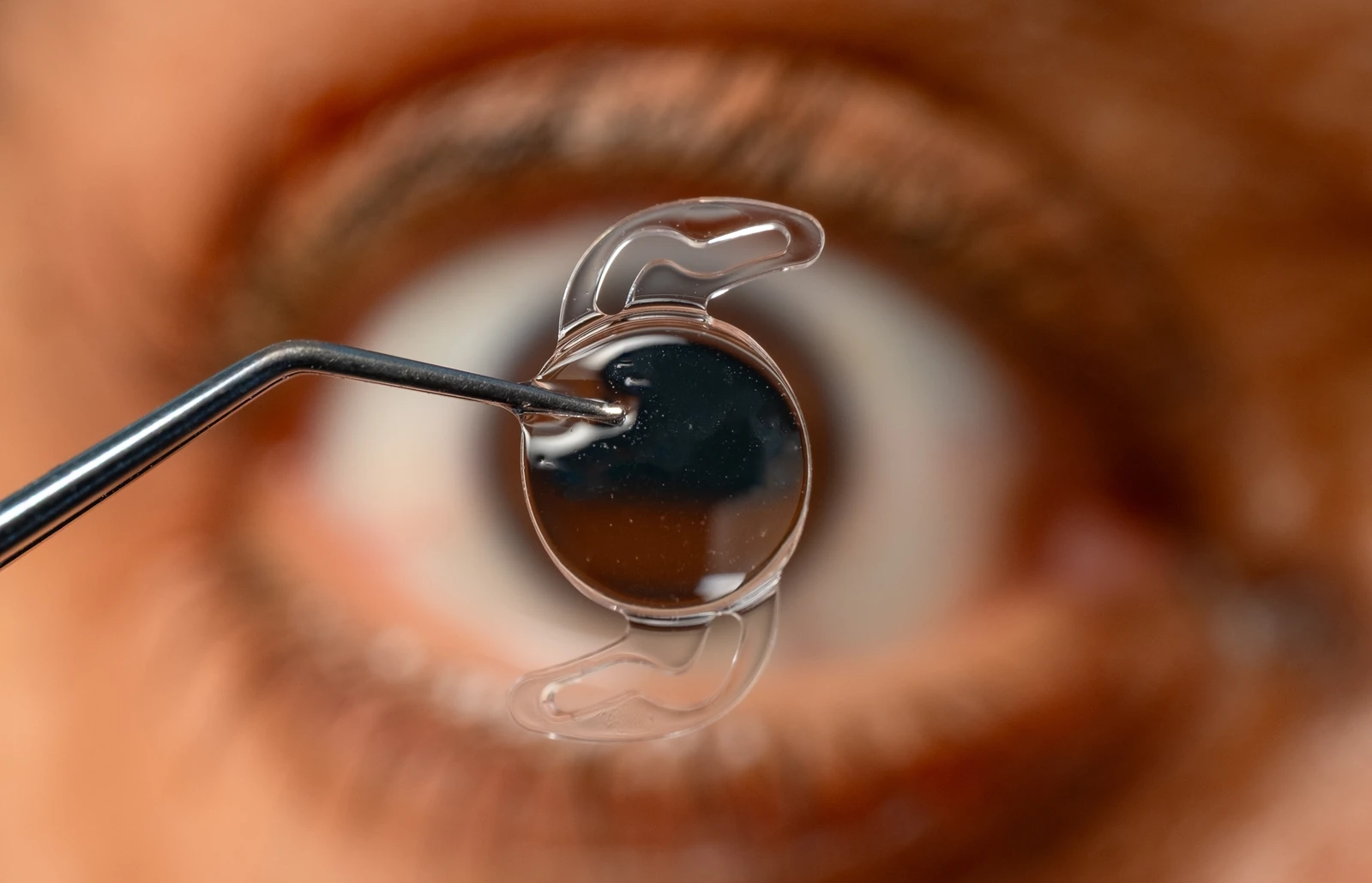
Cataract is a clouding of the lens that leads to a decrease in visual acuity. It occurs with age and can lead to blindness.
Patients may complain of glare and halos, double vision, and a sensation of blurriness. When the patient experiences significant discomfort, an appointment with the surgeon is necessary to determine whether it is time to operate. The procedure consists of replacing the lens with an implant.
Refractive surgery
These surgical techniques (LASIK, PRK, SMILE, ICL) involve reshaping the cornea using a laser to correct visual disorders such as myopia, astigmatism, hyperopia and presbyopia.
Cornea
Certain conditions can affect the cornea (the thin transparent membrane at the front of the eye) and require procedures such as corneal grafts, cross-linking (treatment for keratoconus), or the removal of a pterygium.
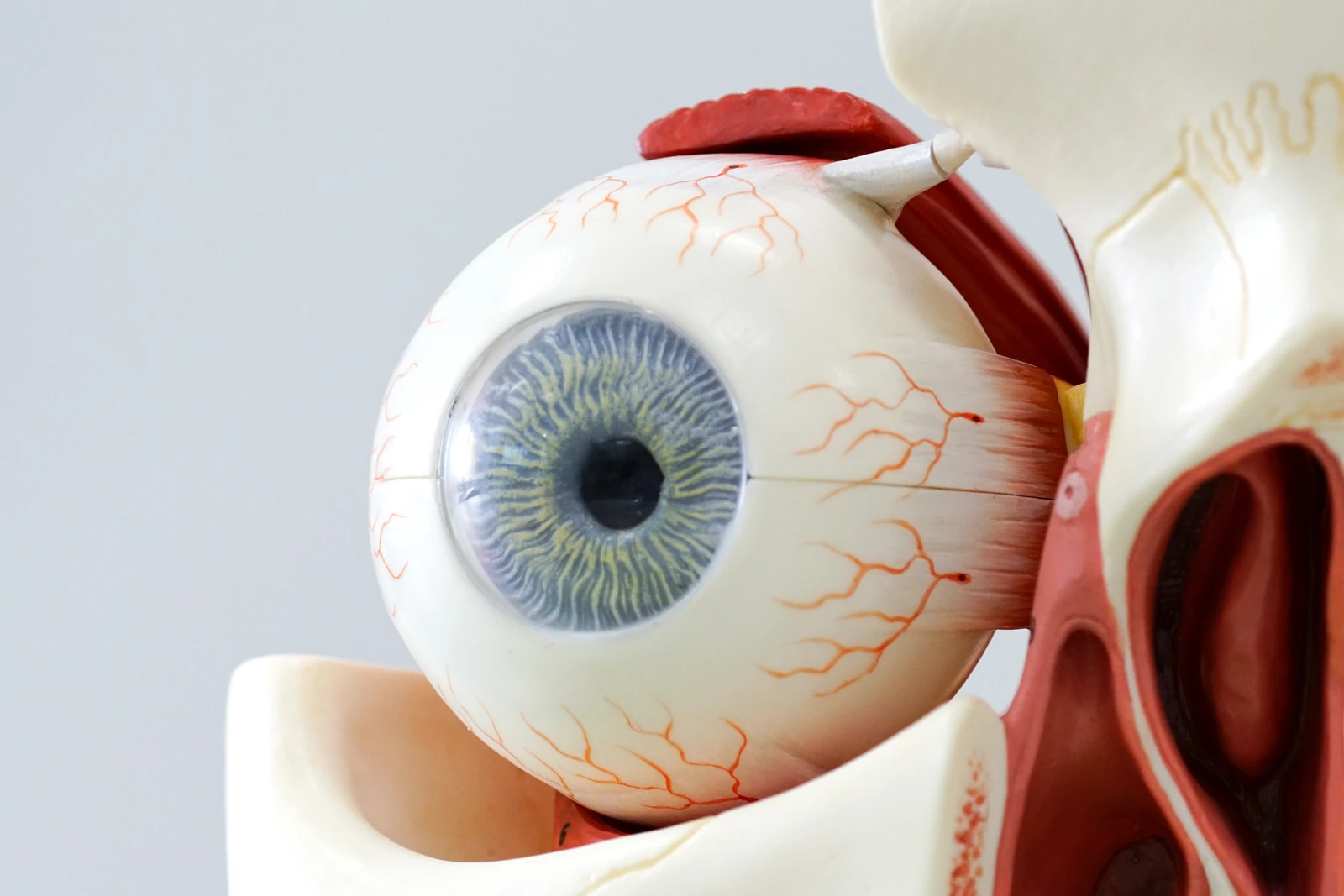
Oculoplastie
Oculoplastics is a subspecialty of ophthalmology dedicated to the functional, reconstructive and aesthetic surgery of the eyelids, orbit and lacrimal ducts, at the crossroads between ophthalmology and plastic surgery.
It addresses both the signs of aging around the eyes and conditions affecting the function and health of the eye and its surrounding structures. It notably includes blepharoplasty, correction of ptosis and eyelid malpositions, as well as eyelid reconstruction following tumour removal or trauma. It also covers the management of facial paralysis and blepharospasm.
Oculoplastics also plays a role in treating excessive tearing and lacrimal duct obstructions, in adults as well as in children and infants.
Lastly, it encompasses orbital surgery, in particular for the management of orbital tumours and thyroid eye disease, as well as the reconstruction of cavities requiring an ocular prosthesis.